





Work Samples — Patents
Patent Filing Samples
Selected filing samples across invention patents, utility model patents, and design patents.
This page shows selected samples from real patent prosecution work in China-related practice. Each sample is presented to give a practical view of how filing work may be structured and documented.
About These Samples
These samples are drawn from real filed patent work. They are selected to help foreign clients, brands, and innovators understand how China-related patent documentation may be structured in practice, including claim structure, technical description, and supporting detail. Click any patent number to view the filing document.
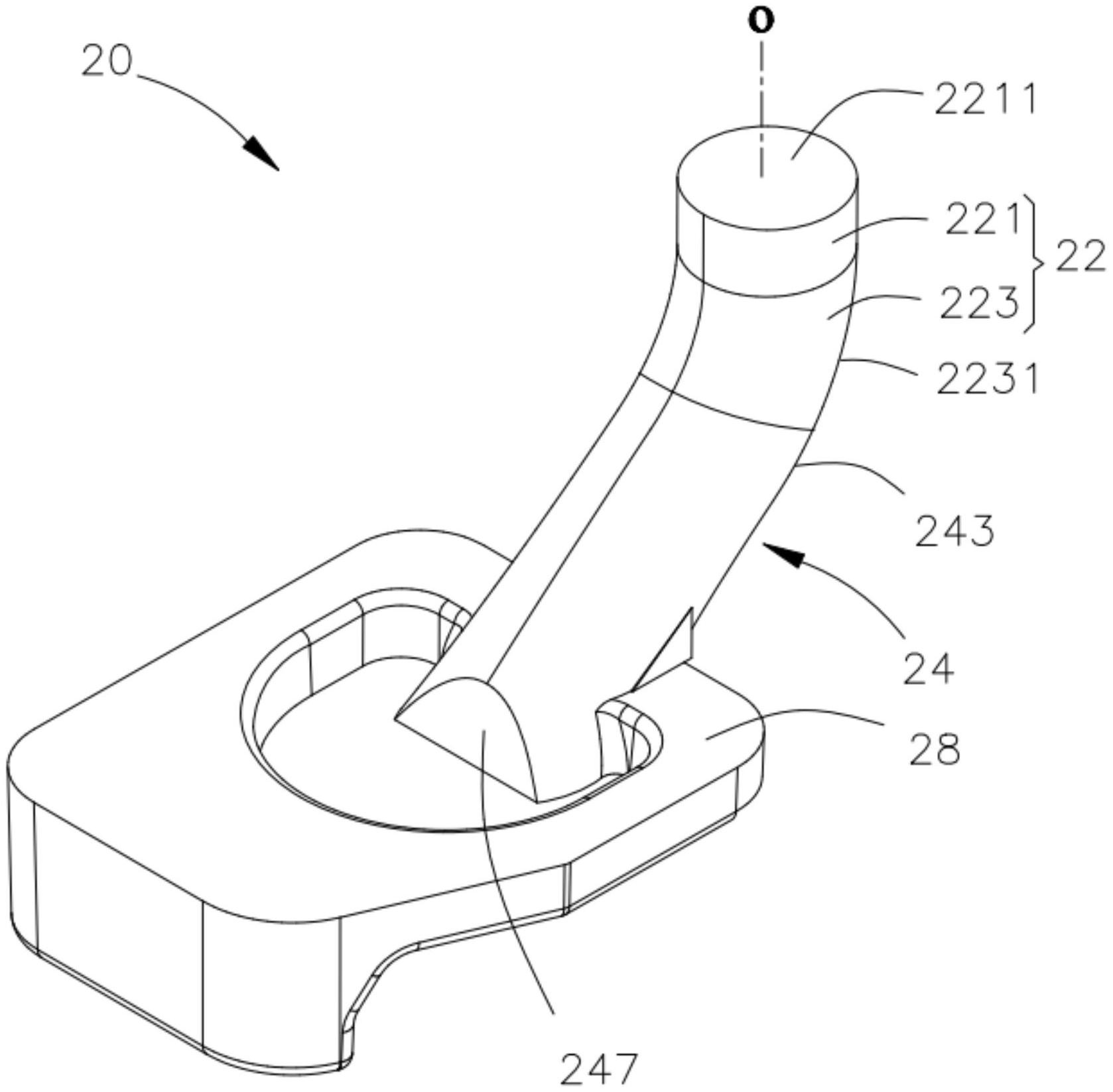
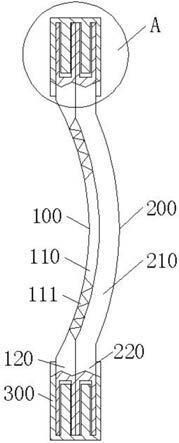
This invention provides a light guide and an electronic device. The light guide introduces ambient light into the light sensor inside the housing through an incident surface, a reflective curved surface, and an emitting surface. This design avoids embedding the sensor directly into the screen edge, thereby reducing the border width of the display and significantly improving the screen-to-body ratio for a full-screen design.
View Filing Document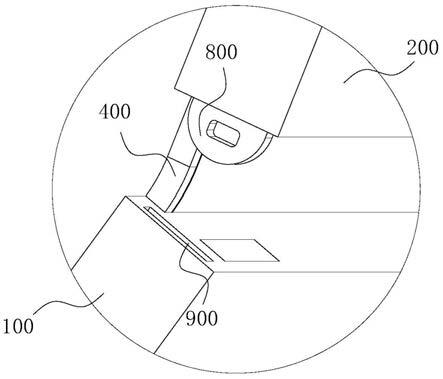
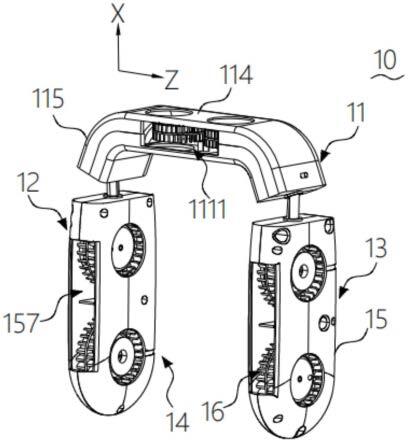
This invention discloses a flexible screen mobile terminal using wireless transmission. The main and secondary bodies transmit signals via wireless methods (Bluetooth, NFC, RFID), eliminating the lifespan limitations of flexible printed circuits. The flexible screen is movably connected to the bodies, preventing stretching or compression damage during folding, balancing large-screen display with portability.
View Filing Document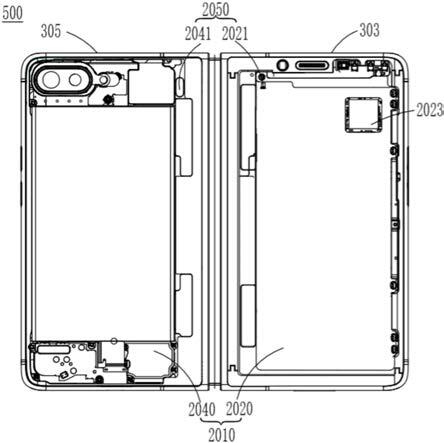
This application provides a foldable electronic device and a screen control method. The device uses a detection module (sensors and signal sources) to obtain the rotation angle between two housings in real-time. The processing module automatically switches display brightness modes (e.g., screen on/off) based on the detected angle, improving user interaction convenience and energy efficiency in various folded states.
View Filing Document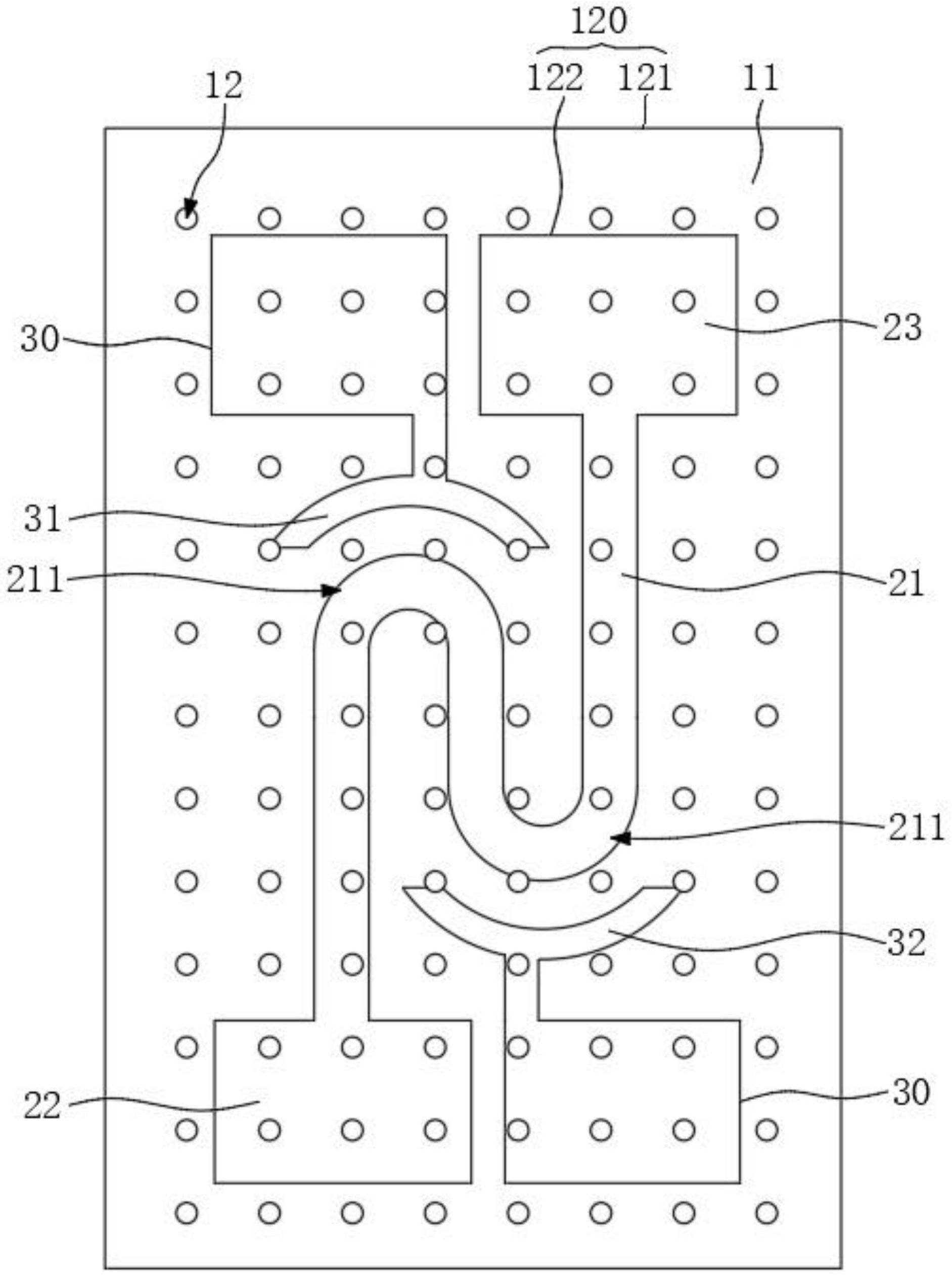
This application relates to an electronic atomization device and its control method. By setting test electrodes on the heating element's atomizing surface, the circuit monitors electrical parameter signal changes. The system accurately identifies local dry burning due to significant signal differences when the substrate is absent, allowing for power adjustment. This method is more sensitive than traditional temperature sensors, enhancing safety and taste.
View Filing Document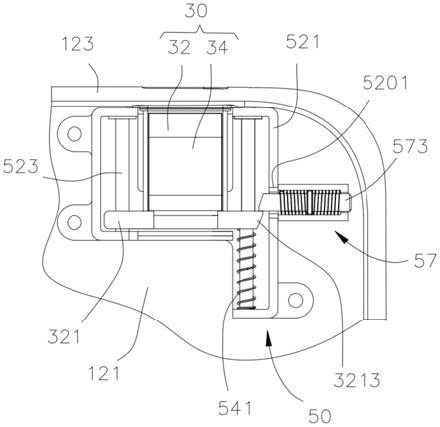
This application provides an electronic device with a retractable functional module. It uses a drive component made of shape memory material and a temperature sensor to automatically control the locking mechanism. Functional modules (like cameras) can extend or retract as needed, eliminating the need for screen openings. This compact layout frees up display space, further increasing the device's screen-to-body ratio.
View Filing Document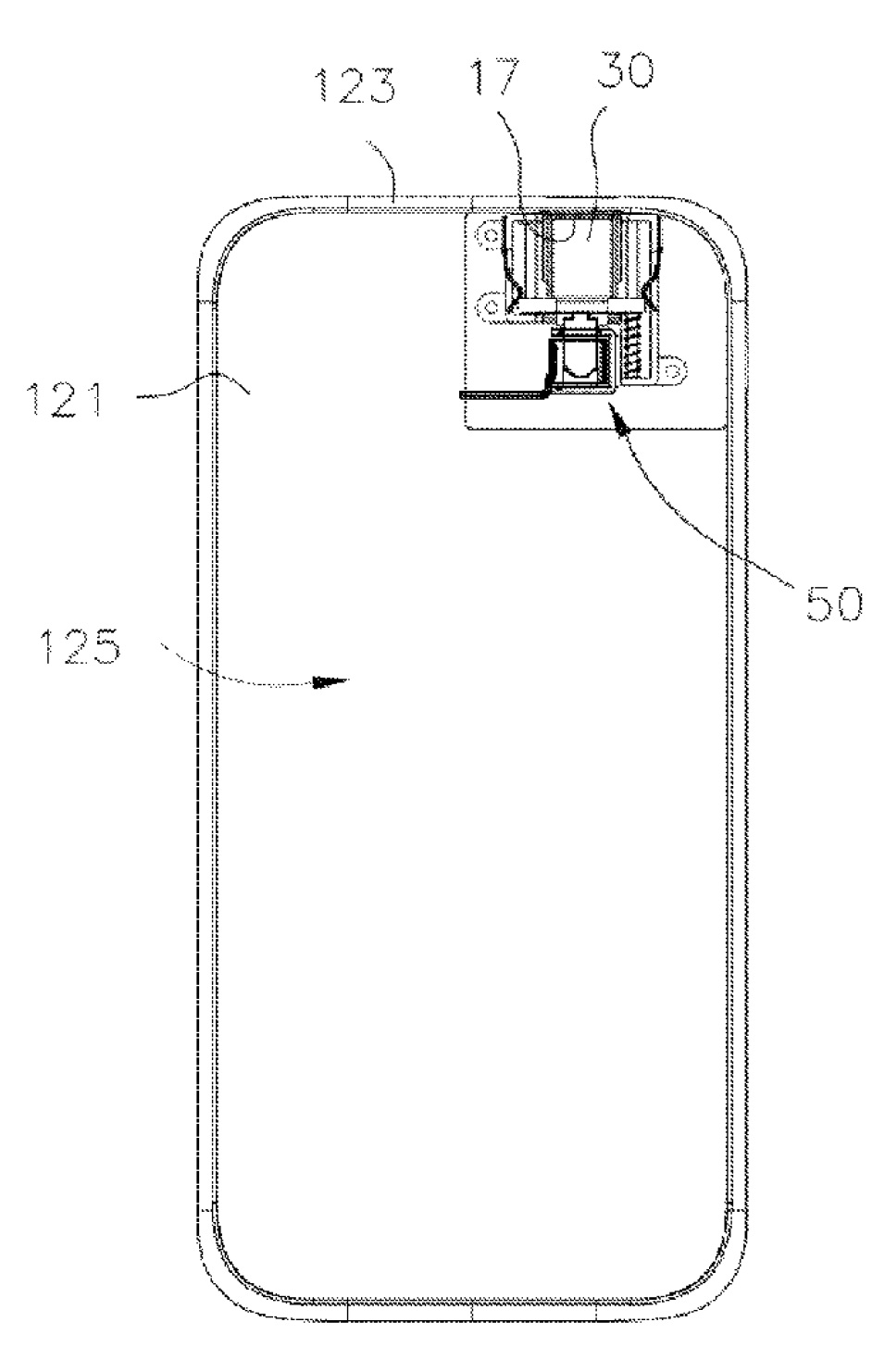
This application relates to an electronic device and an installation assembly for its functional modules. Using a drive assembly and locking spring inside the shell, modules like cameras can extend or retract through frame holes. This maintains the aesthetic integrity of the shell and avoids display area cutouts, releasing screen space to allow for a larger visual field without increasing the overall device size.
View Filing Document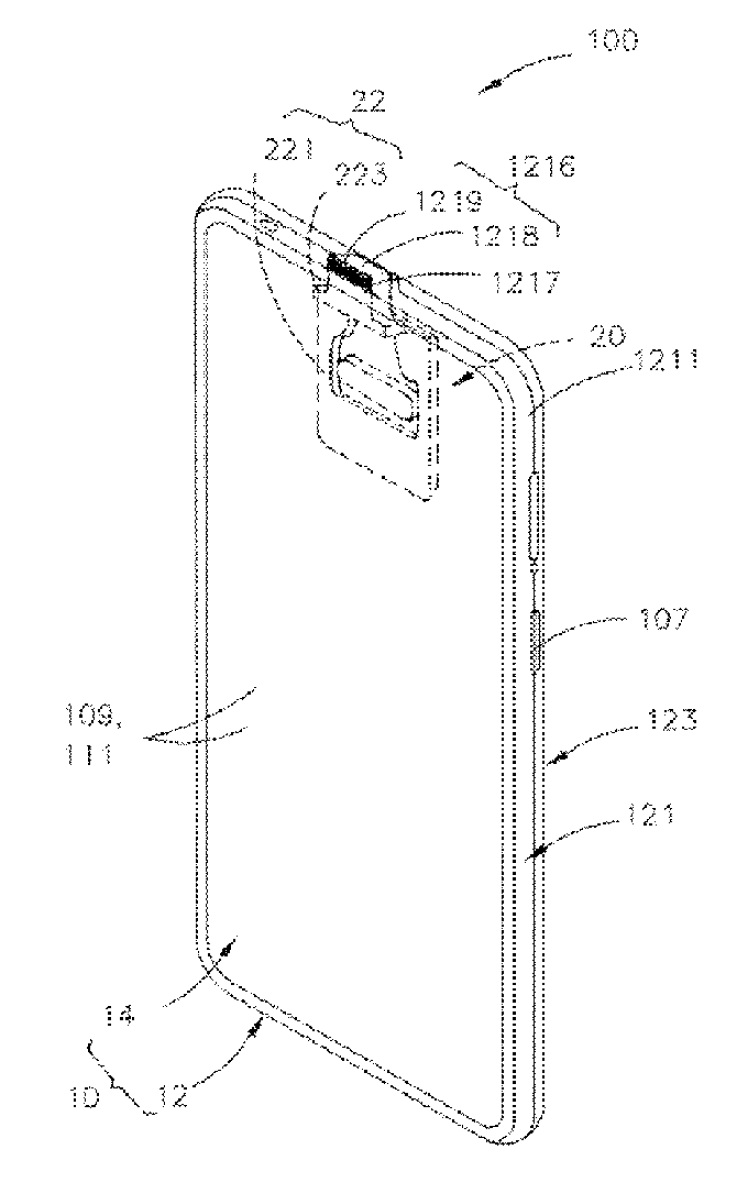
This application discloses an electronic device and a middle frame structure. The receiver is located inside the device and transmits sound through a specialized sound guide and border holes. This configuration means the sound hole position is no longer restricted by the receiver's physical location and does not occupy front display space, providing more room for the display panel to achieve a true full-screen effect.
View Filing Document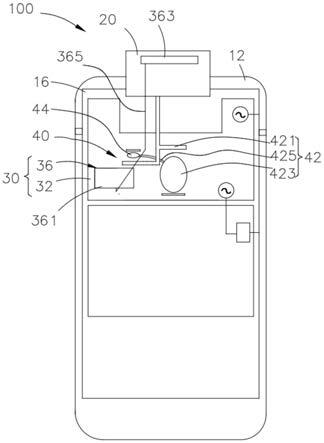
This application provides an electronic device and an antenna control method. It includes a slidable retractable module and an inflation mechanism. When the module slides in, it triggers an airbag to expand, guiding the RF cable to retract along a set path to prevent entanglement. The system dynamically adjusts the module position based on performance indicators to ensure sufficient antenna clearance and stable signal quality.
View Filing Document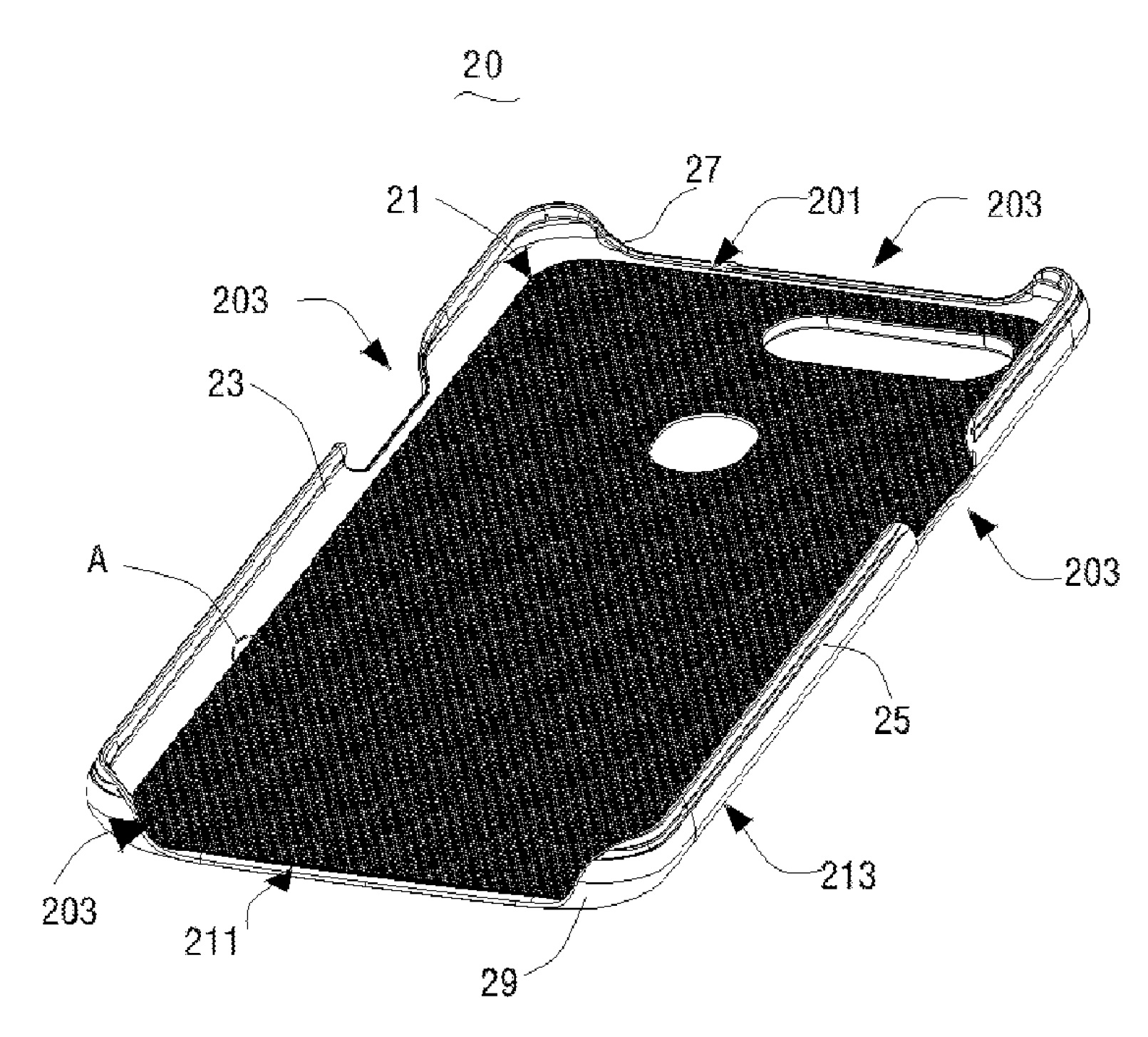
This application relates to a protective case for electronic devices featuring multiple reflective protruding structures with different normal directions. These structures reflect light from various angles to create a sparkling effect. Besides aesthetics, this design effectively weakens the visibility of surface scratches and blurs the device's functional features, enhancing the overall appearance and integrity of the device.
View Filing Document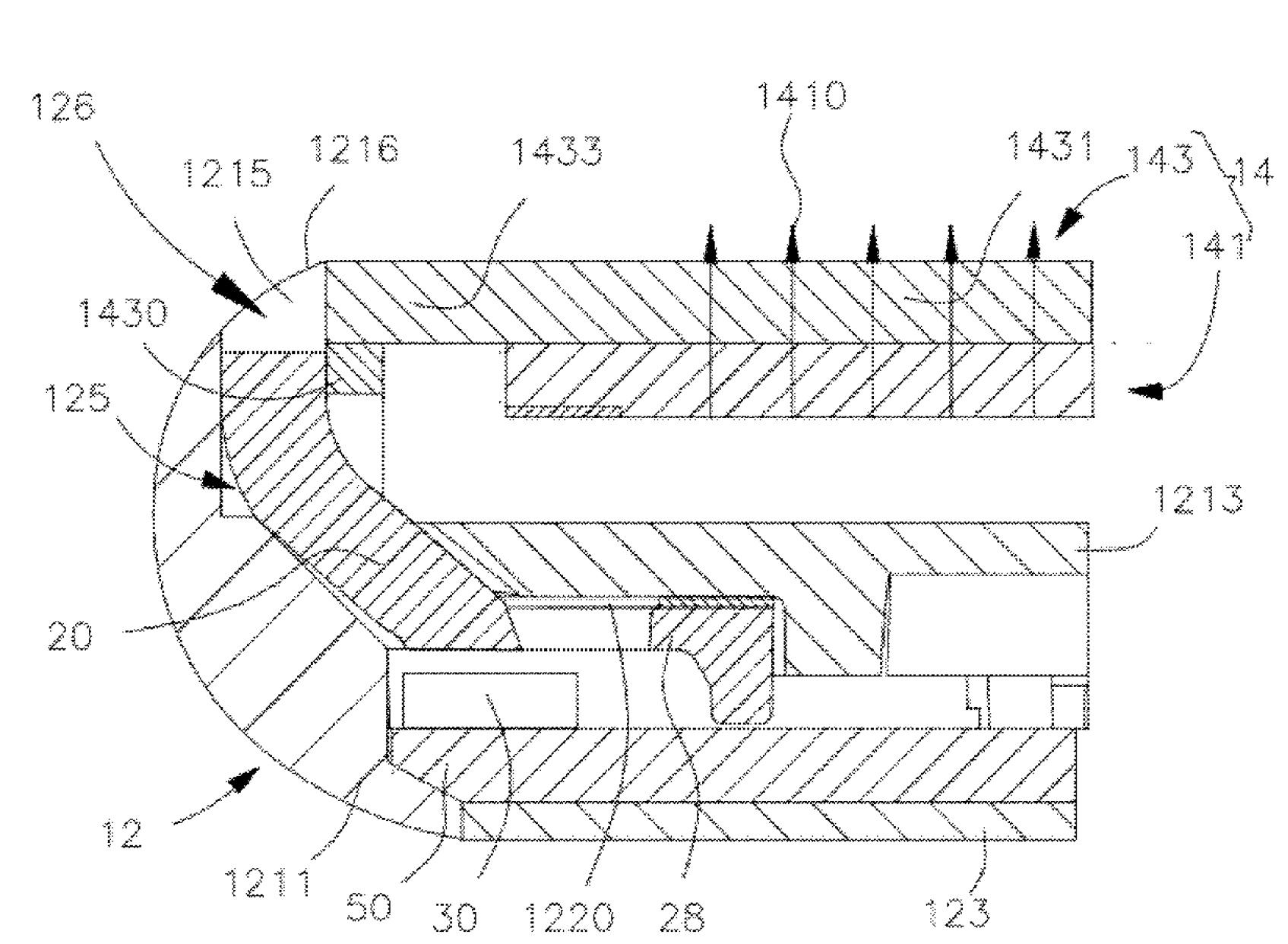
This application provides an electronic device where the light sensor is placed inside the housing. External ambient light is introduced and guided to the sensor via a light guide pillar embedded in the frame slot. This layout avoids occupying the screen edge, successfully reducing the display's black borders and frame width, which is a key hardware improvement for achieving ultra-narrow borders and full-screen designs.
View Filing Document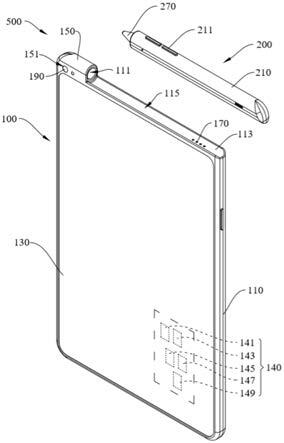
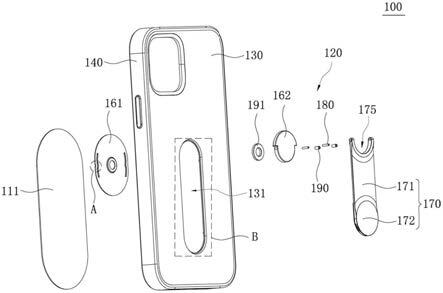
This application provides a stylus and an electronic device where a detachable secondary component is stored in a housing hole. The component includes a stylus tip, acoustic devices (receiver/microphone), and a communication module. Users can detach this component from the main device to perform calls, effectively reducing the burden of holding large-screen devices for long durations. It also features charging contacts that connect when the component is docked, ensuring the stylus remains powered while stored within the primary electronic device.
View Filing Document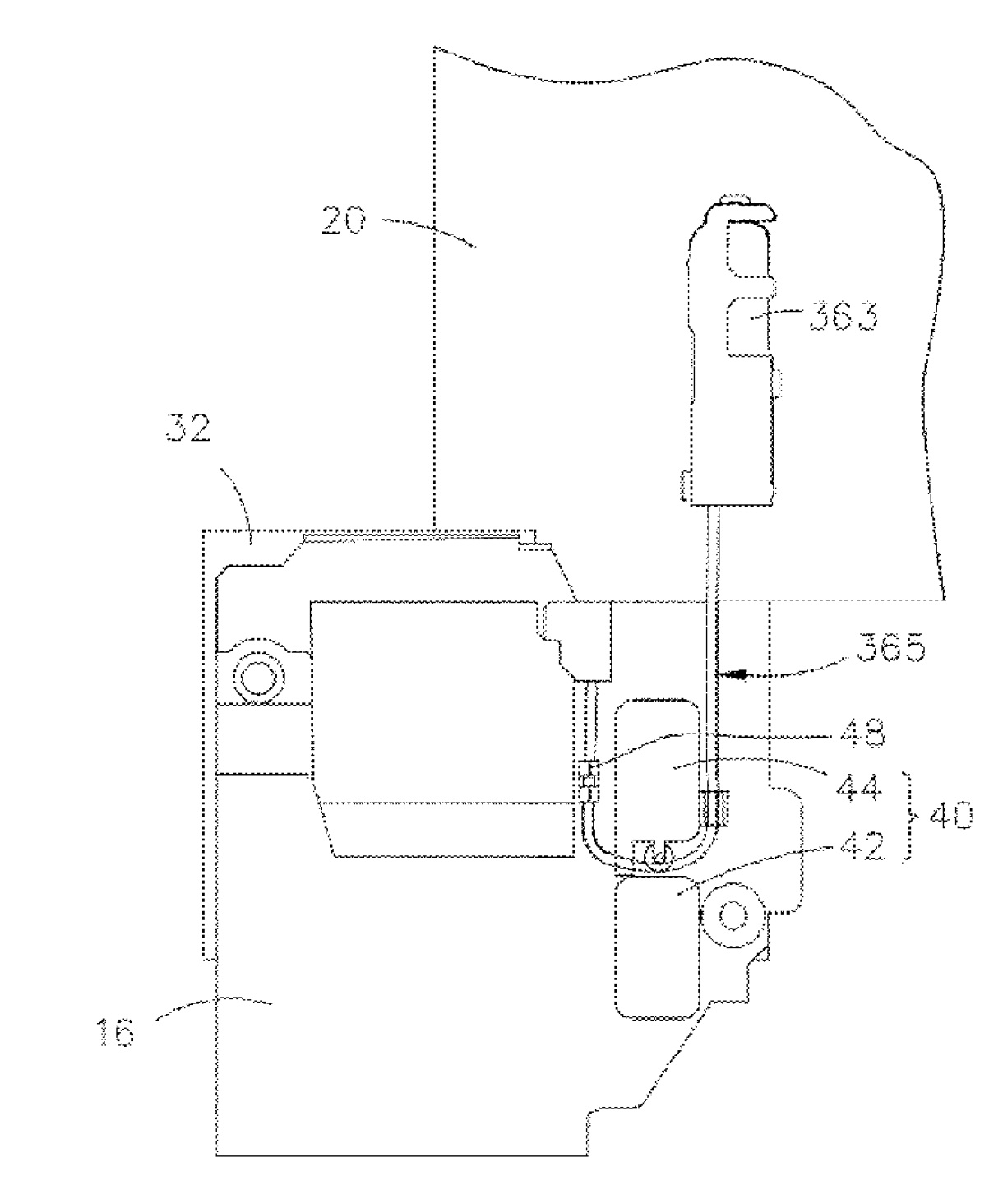
This patent describes an electronic device with a movable component (like a camera) that carries an antenna radiator. To maintain high radiation efficiency, the device adjusts the position of the movable component to ensure a large antenna clearance area. A key feature is a magnetic guiding mechanism that controls the movement of the RF cable as the component retracts. This prevents the cable from tangling or sustaining bending damage during frequent extensions and retractions, ensuring stable connection quality while supporting high screen-to-body ratio designs.
View Filing Document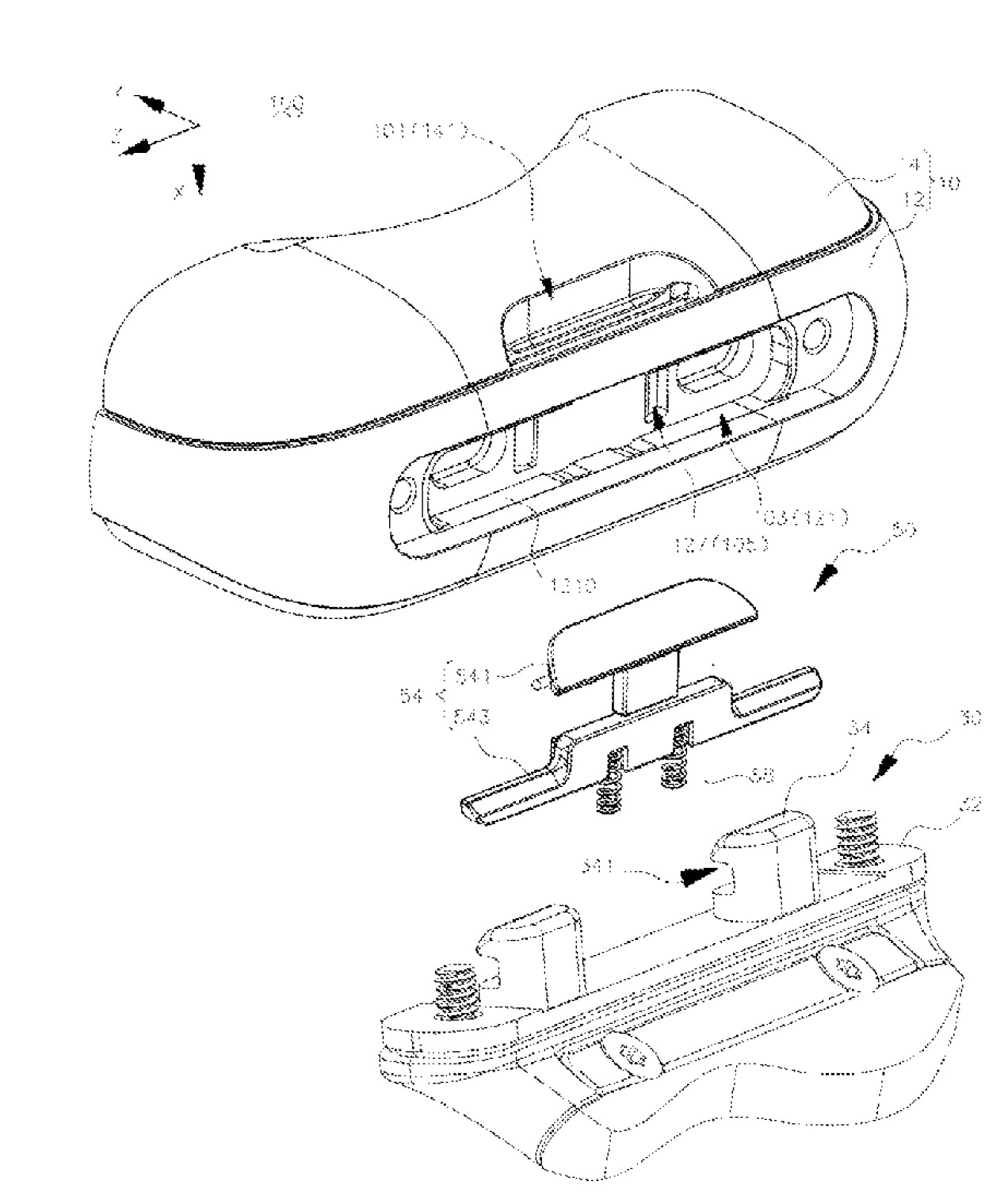
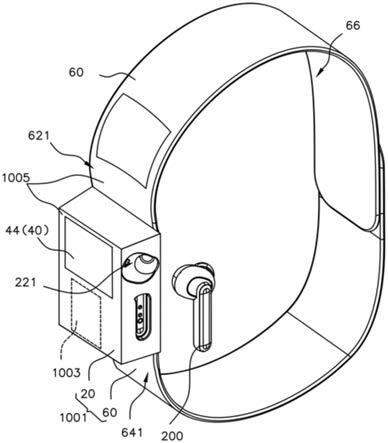
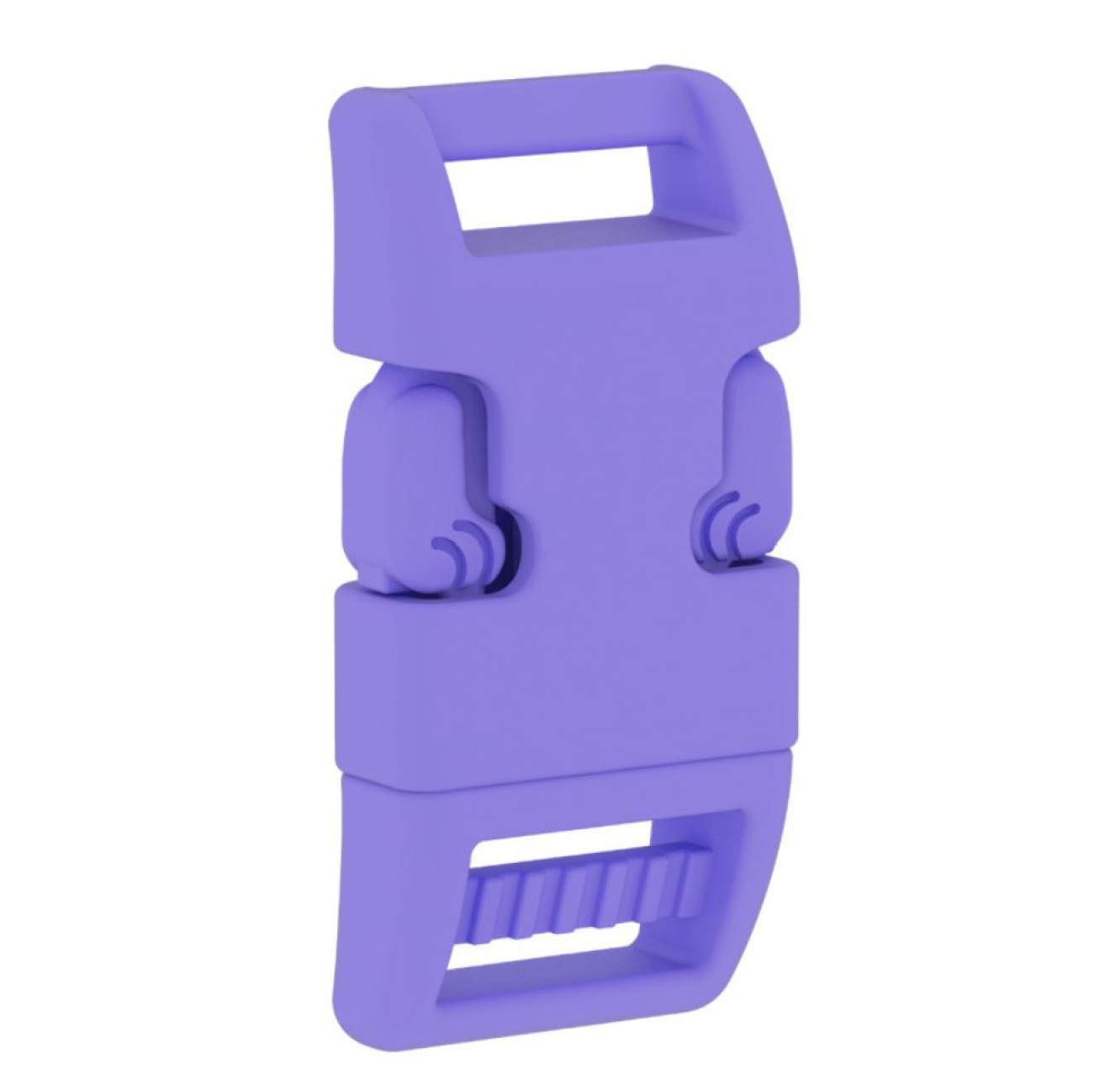
The application introduces a locking structure designed for easy assembly and disassembly of components, particularly suitable for smartwatch straps. It comprises a structural body with mounting sections, a pressing element, and an engageable connecting element. Unlike traditional spring bars that require specialized tools, this system allows users to attach or detach components by simply pressing the integrated element. The design uses independent positioning for the pressing and connecting parts, reducing manufacturing tolerance issues and providing a more robust, user-friendly interface.
View Filing Document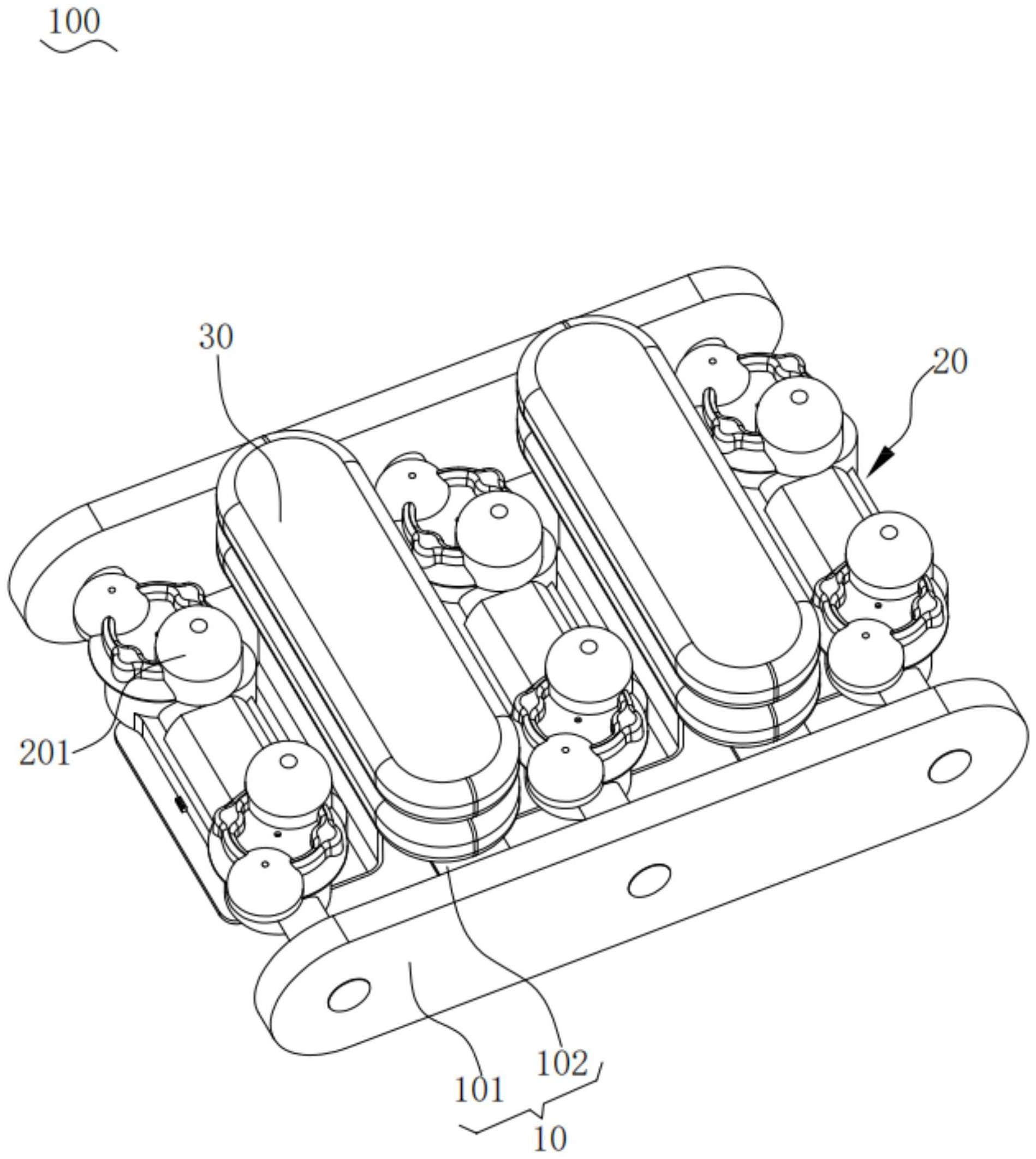
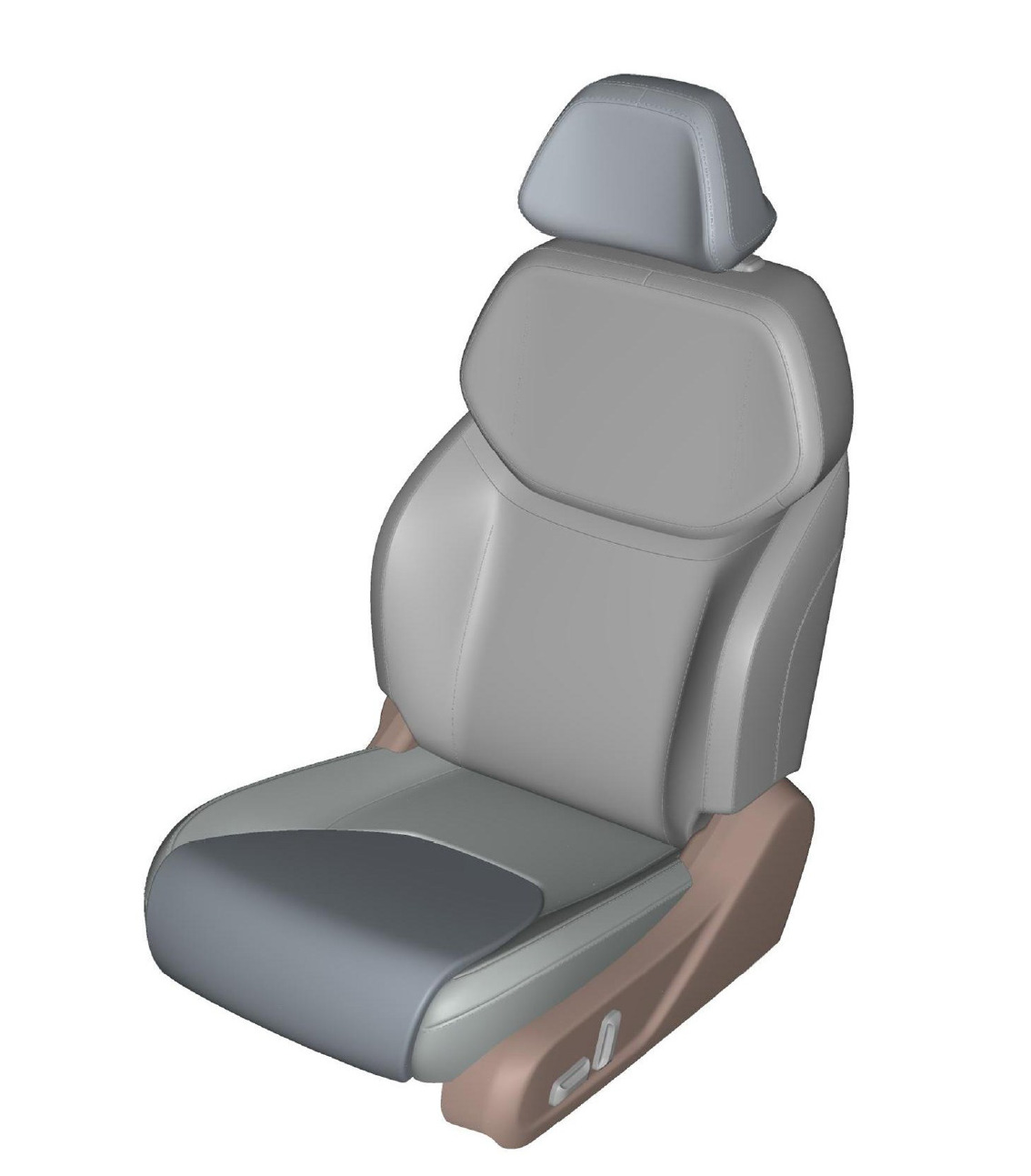
This application relates to a massage device for sofas that solves the problem of protrusion discomfort when the massage mechanism is idle. It incorporates inflatable airbags positioned between adjacent massage units. During a session, the airbags deflate to a retracted state below the massage surface for optimal contact. When finished, the airbags inflate to a supporting state, protruding above the massage units to provide a smooth surface for the user's back. This dual-state system enhances both massage effectiveness and regular sitting comfort, allowing the sofa to function as a standard seat.
View Filing Document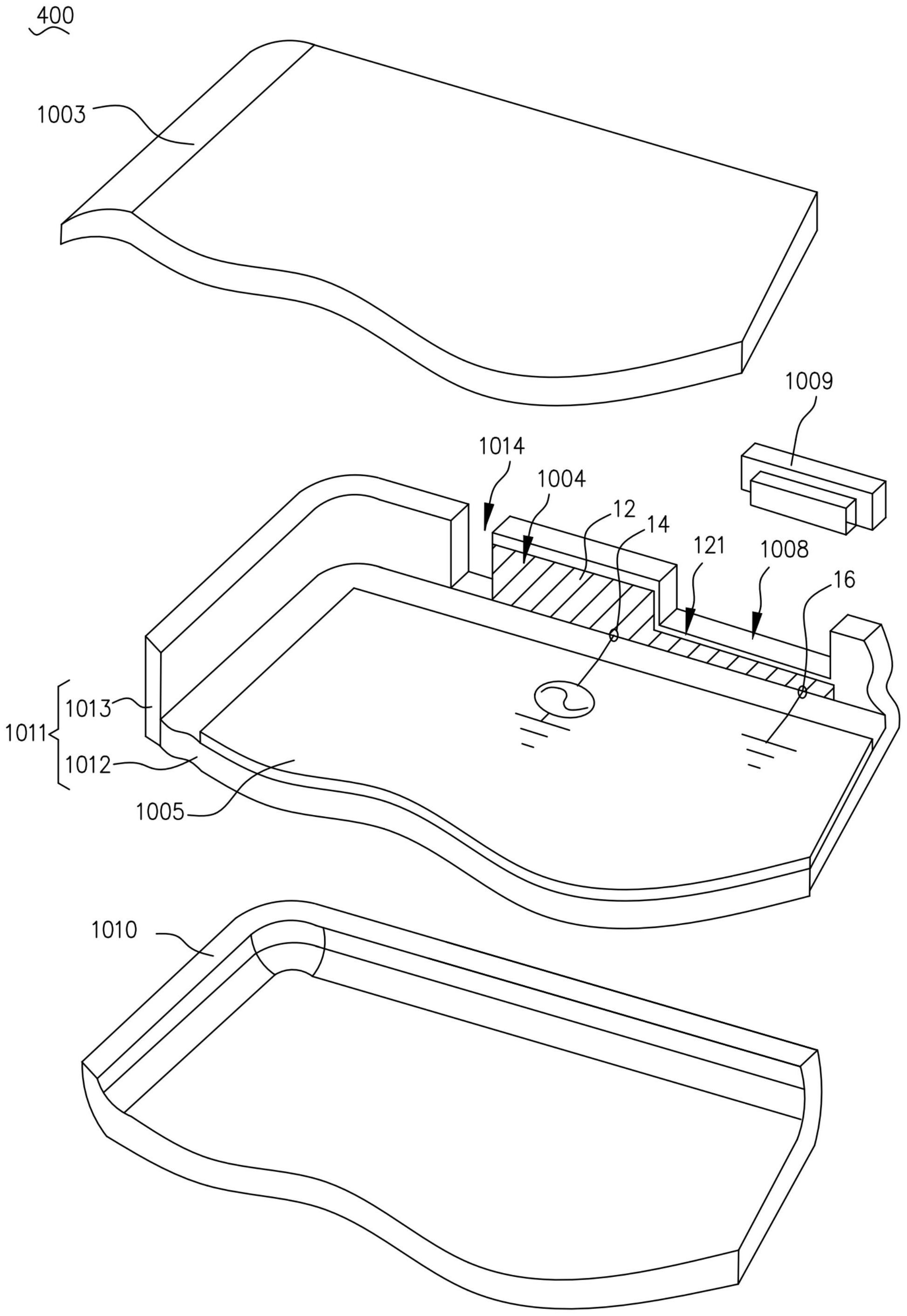
This invention focuses on reducing the Specific Absorption Rate (SAR) of antennas in electronic devices without compromising Total Radiated Power (TRP). The antenna radiator, integrated into the device's frame, features a specific vacancy area or cutout. This gap is strategically placed within the high-current region of the radiator, typically on the side facing the user. By altering the electric field distribution, it shifts the SAR hotspots away from the user, effectively lowering radiation absorption while maintaining stable wireless communication performance for narrow-bezel mobile devices.
View Filing Document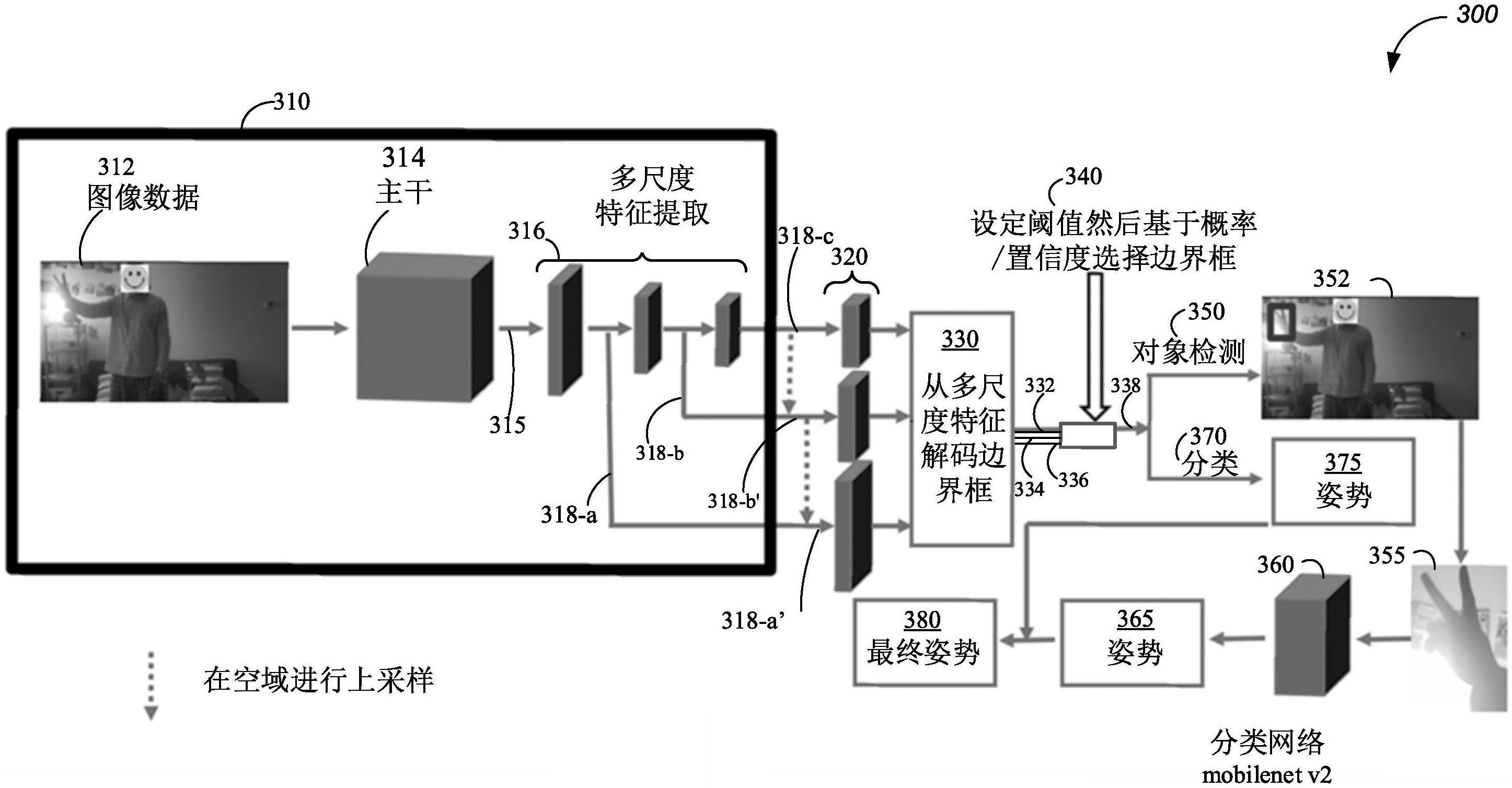
This patent describes a method for detecting hand gestures from distances exceeding 4 meters using lightweight deep learning models. The system processes image data to generate a sequence of feature maps with decreasing resolutions, which are then combined into a comprehensive feature map. By utilizing a lightweight backbone and pyramid detection structure, the device achieves high accuracy with extremely low computational complexity (under 3.5 GFLOPS). This enables real-time gesture control on resource-constrained IoT devices and smartphones without requiring high-resolution inputs or powerful remote servers.
View Filing Document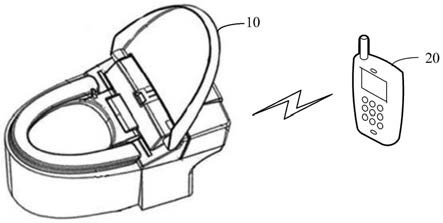
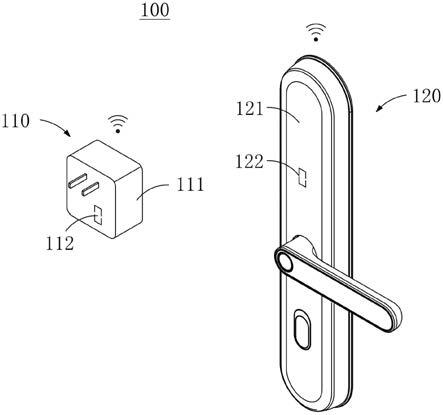
This application provides a power management system for smart toilets to reduce energy consumption from features like seat heating. The toilet establishes a wireless connection with a user device to track its location. Based on distance thresholds, the toilet switches between power-saving and pre-heating modes. If the user is far away, the device enters energy-saving mode; as they approach, it begins pre-heating. Advanced versions use historical usage data to predict active periods, ensuring the toilet is ready when needed while minimizing idle power waste.
View Filing Document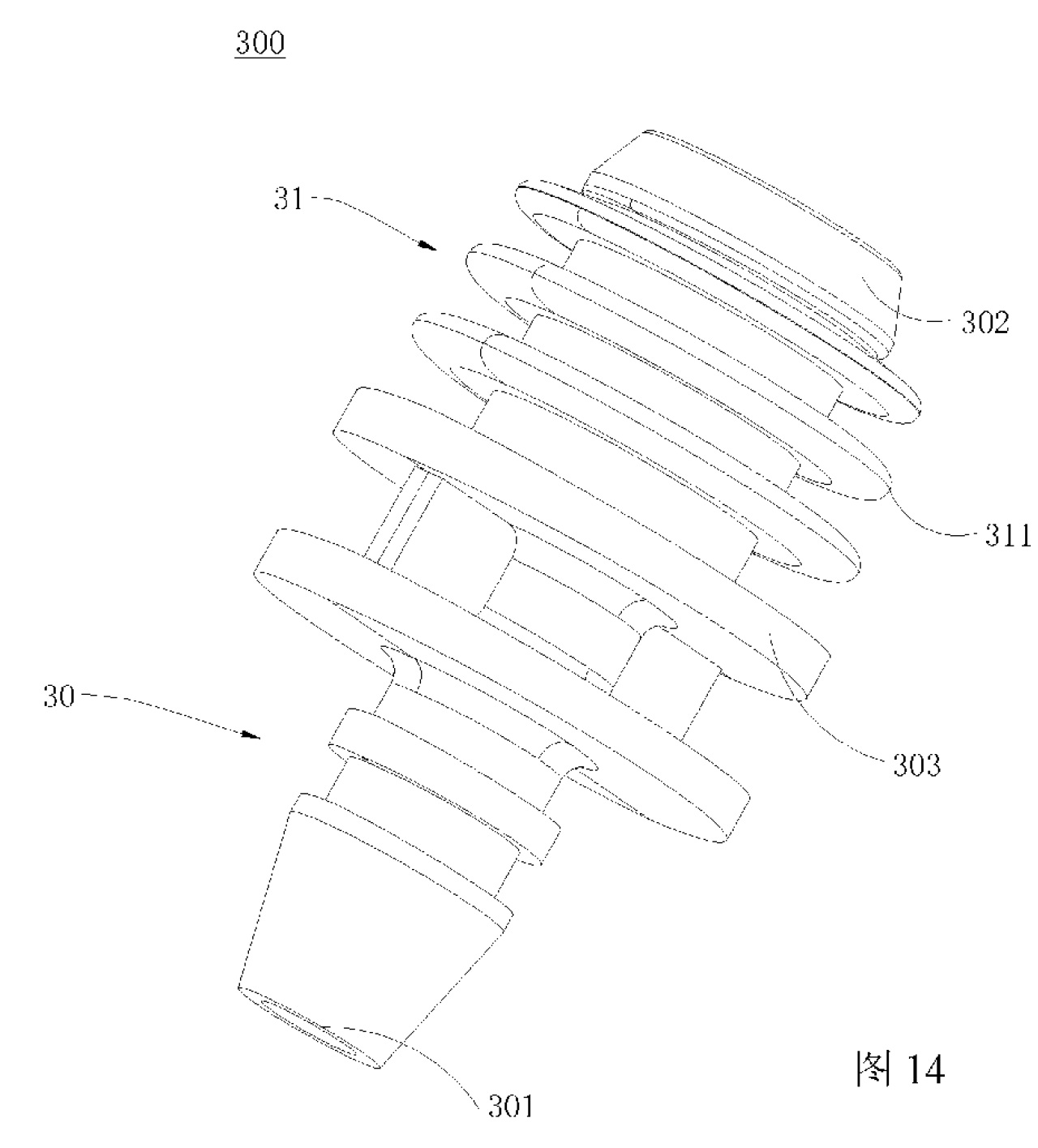
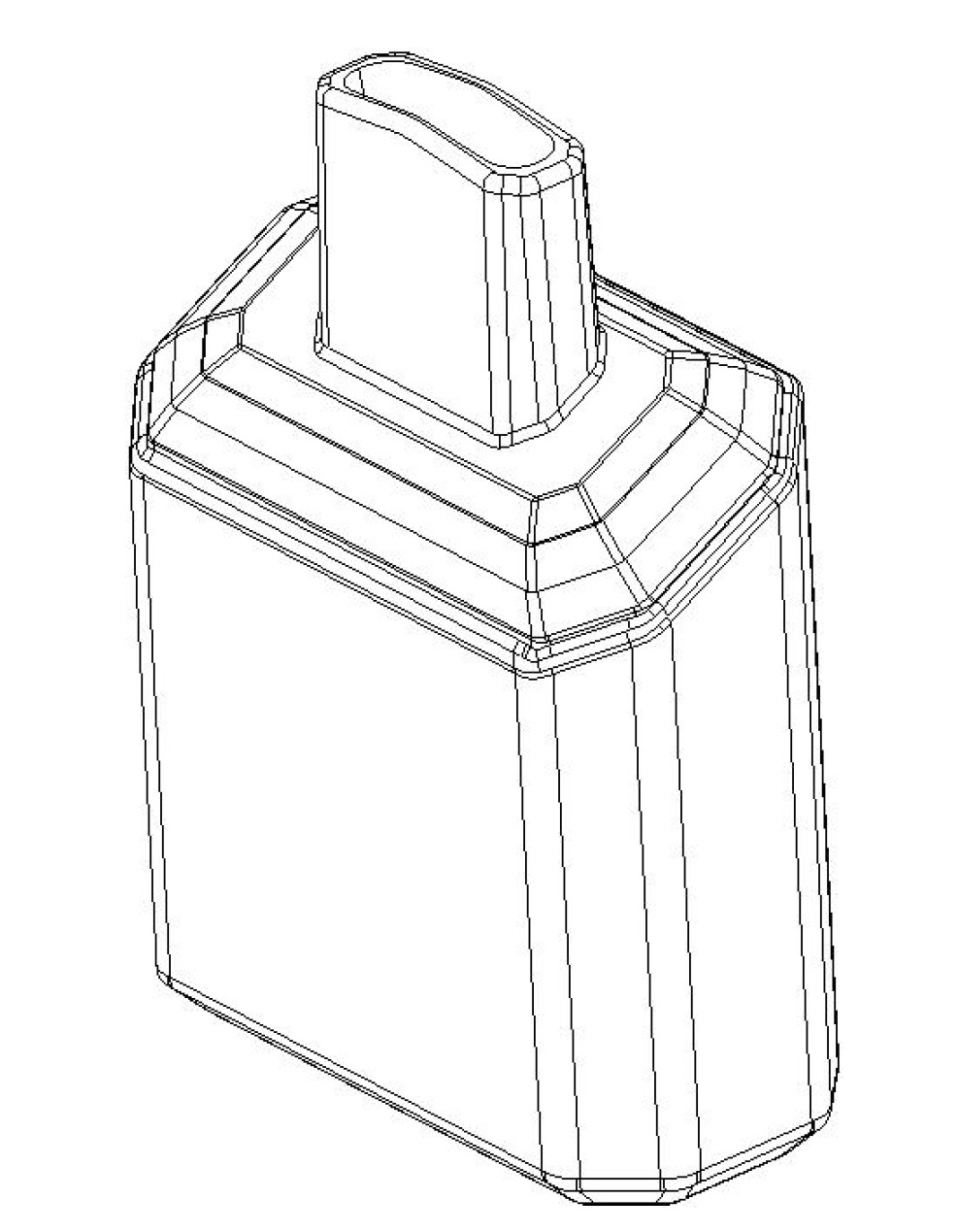
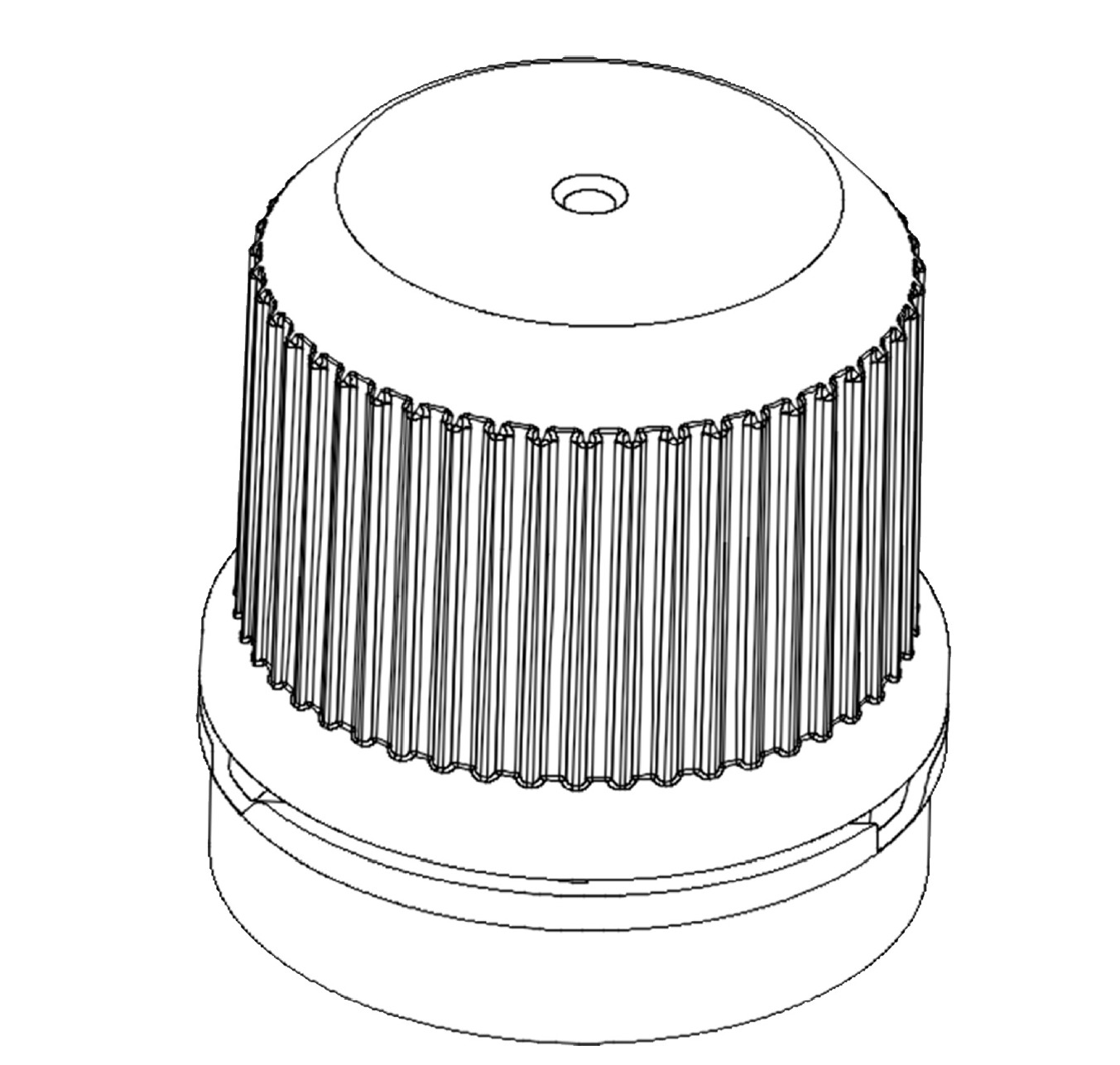
This patent introduces a specialized blocking plug for the liquid containers of intelligent cleaning robots. The plug features a shaft-like body with an internal through-hole and a hierarchical sealing structure consisting of multiple stacked annular sheets. This design provides superior sealing against the water tank's outlet compared to traditional plugs, effectively preventing leaks while remaining easy to install. The structure allows liquid to flow precisely through the center hole while the external rings create a robust, redundant seal against the tank wall.
View Filing Document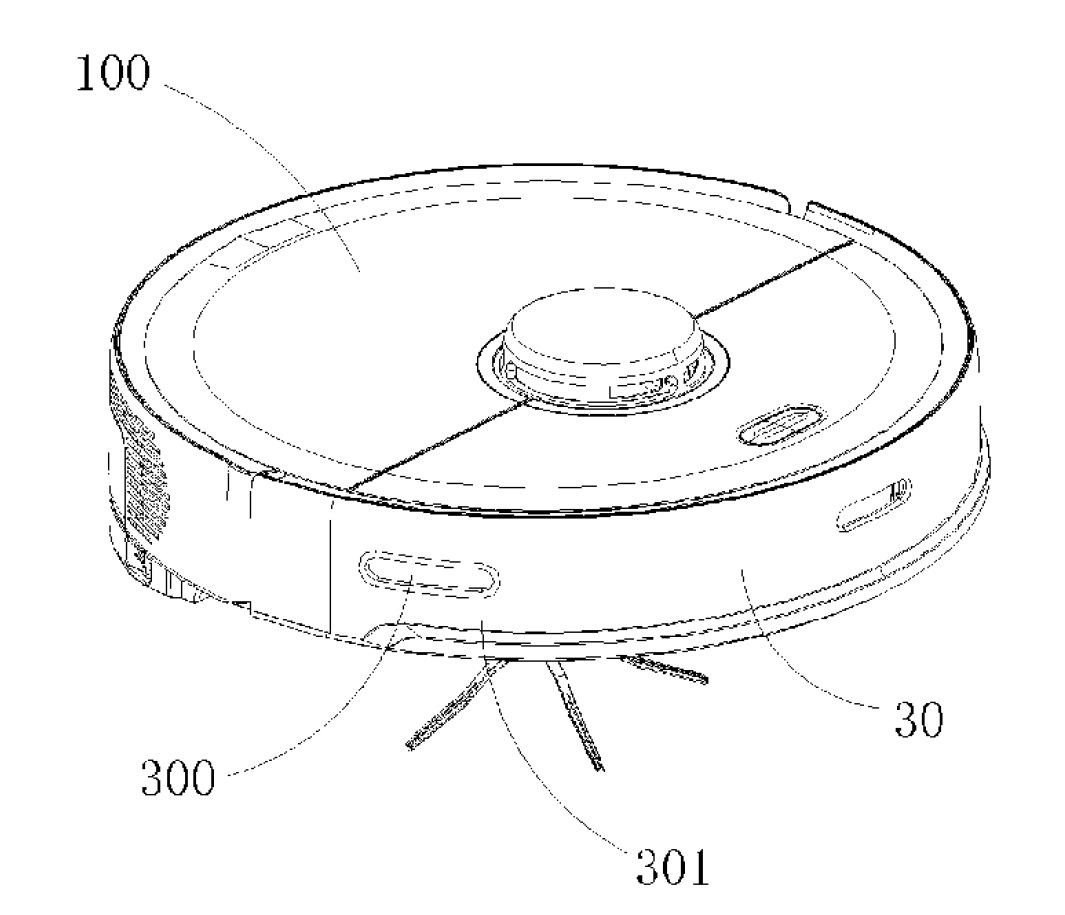
This application focuses on a sealing structure for the infrared wall-following modules of smart cleaning robots. It comprises a housing and a lens with an arced panel and a connecting plate that extends toward the module. The lens covers the housing surface facing the robot's protective shell, creating a tight seal that prevents dust and debris from entering and damaging the sensitive infrared sensors. This improves the long-term reliability of the robot's navigation system by protecting the optical components from the harsh, dusty environments they operate in.
View Filing Document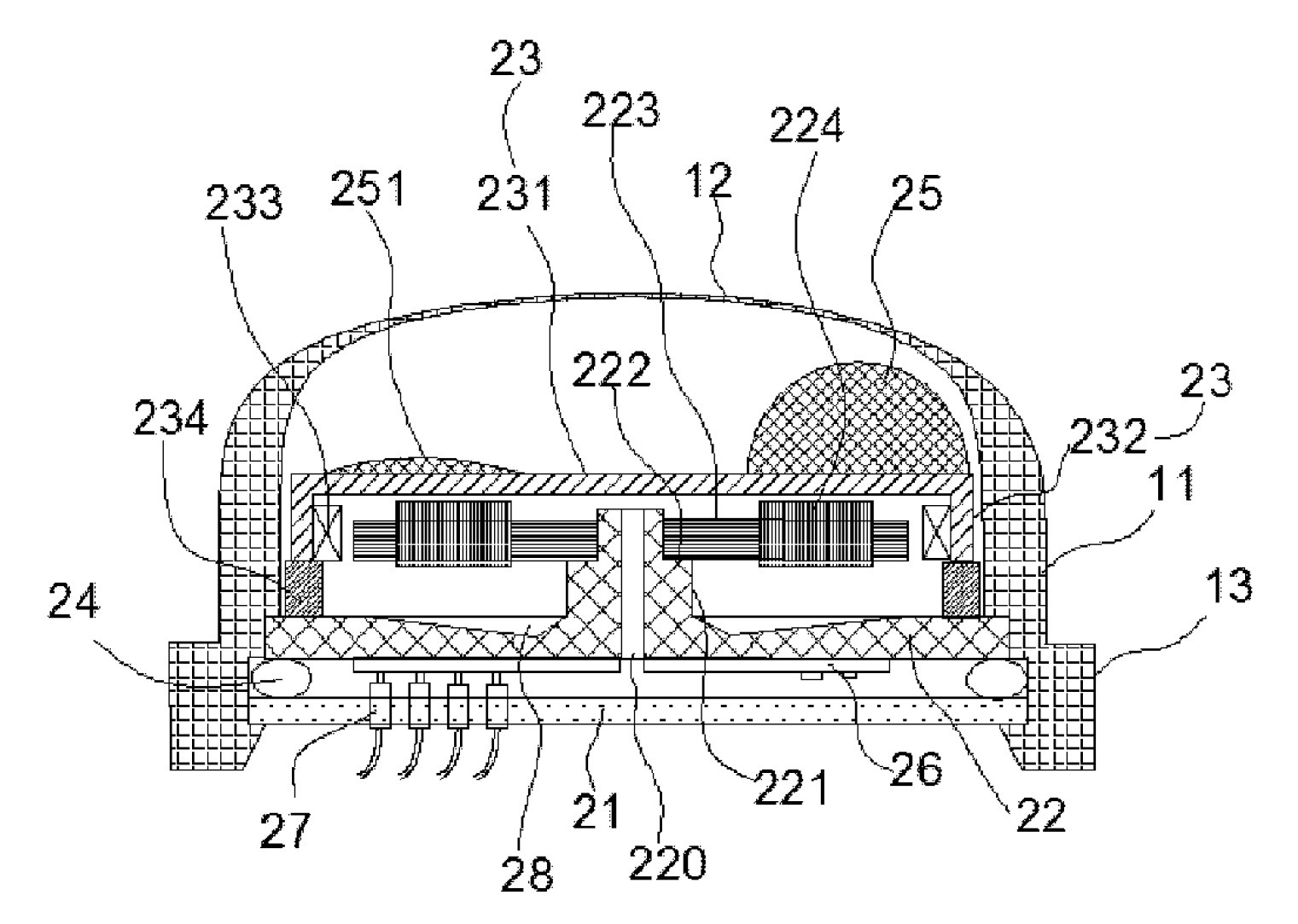
This invention relates to a specialized motor for foot massage mats. It features a soft rubber housing with a downward-opening cavity containing a motor assembly. The assembly uses a rotating disc with a massage projection and a balance block arranged symmetrically to minimize horizontal vibration and noise. A key innovation is the shaftless design, which achieves high torque while maintaining a high waterproof rating. This allows the motor to operate quietly and safely within foot spas or massage mats without disturbing the user or risking electrical failure from water ingress.
View Filing Document
Want to Discuss a Similar Type of Work?
These samples are intended to give a practical sense of how China patent work is structured and delivered. If you have a similar type of matter in mind, contact us to discuss what a practical next step may look like.